

The Federal Government of Nigeria has approved a comprehensive upward review of allowances and welfare packages for civil servants, in a move aimed at improving earnings and boosting morale across the public service.
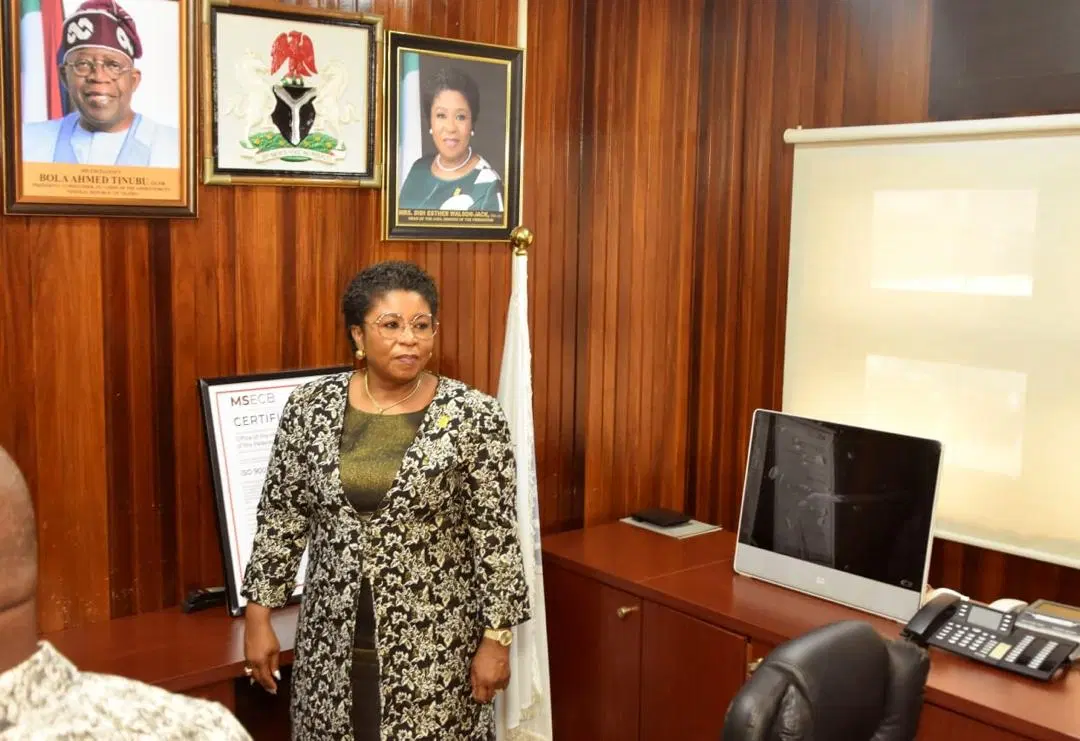
The announcement was made in Abuja, on Friday by the Head of the Civil Service of the Federation, Didi Walson-Jack, during a press briefing outlining newly approved reforms by the Federal Executive Council.
According to her, the review covers workers under the Consolidated Public Service Salary Structure (CONPSS) and the Consolidated Research and Allied Institutions Salary Structure (CONRAISS), ensuring wide coverage across different categories of federal workers.
She said the revised peculiar allowances have been adjusted across all grade levels, resulting in improved take-home pay for both junior and senior officers. Several key allowances, including duty tour allowance (DTA), estacode, and book allowance, were also reviewed upward.
Walson-Jack noted that nearly all allowances contained in the Public Service Rules have now been revised, marking one of the most extensive welfare adjustments in recent years.
A key highlight of the reform is the approval of 100 percent Duty Tour Allowance for civil servants attending approved training programmes, regardless of whether travel is involved. She explained that even staff attending training within Abuja would be entitled to full DTA.
Beyond salary adjustments, the Federal Government also approved a new exit benefit scheme for retiring civil servants under the Contributory Pension Scheme. The scheme provides 100 percent of a retiree’s total annual emoluments as an exit package, in addition to pension benefits, effective from January 1, 2026.
The government also announced the operationalisation of the Employee Compensation Scheme, designed to provide financial protection for workers who suffer job-related injuries or death.
Officials say the reforms are part of broader efforts to address cost-of-living pressures, improve welfare, and enhance productivity within the public service.








Leave a Reply