

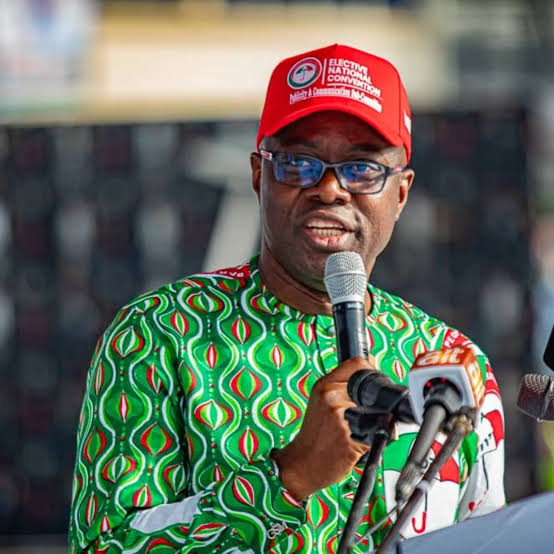
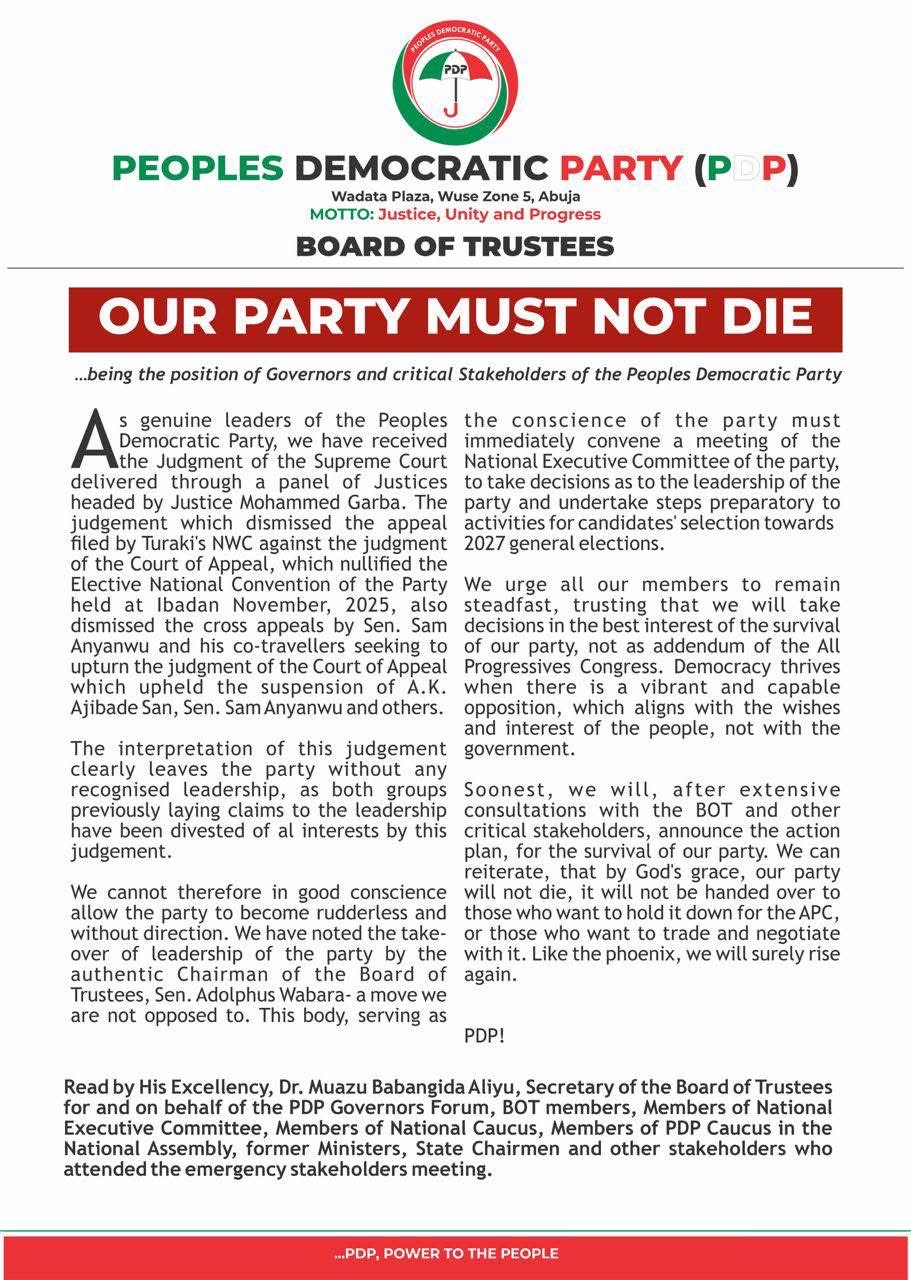
The recent ruling by the Supreme Court of Nigeria voiding the November convention held in Ibadan has once again brought Nigeria’s fragile political structure into sharp focus. At the centre of this storm is Seyi Makinde, a man whose political moves continue to stir both admiration and criticism in equal measure.
Objectivity demands that we call things what they are.
There is little dispute that the Ibadan convention proceeded in defiance of existing court orders. In any democracy, that is not a trivial matter. The rule of law is the backbone of democratic governance, and once political actors begin to selectively obey judicial pronouncements, the entire system risks sliding into chaos.
Yet, there is another layer to this story that cannot be ignored.
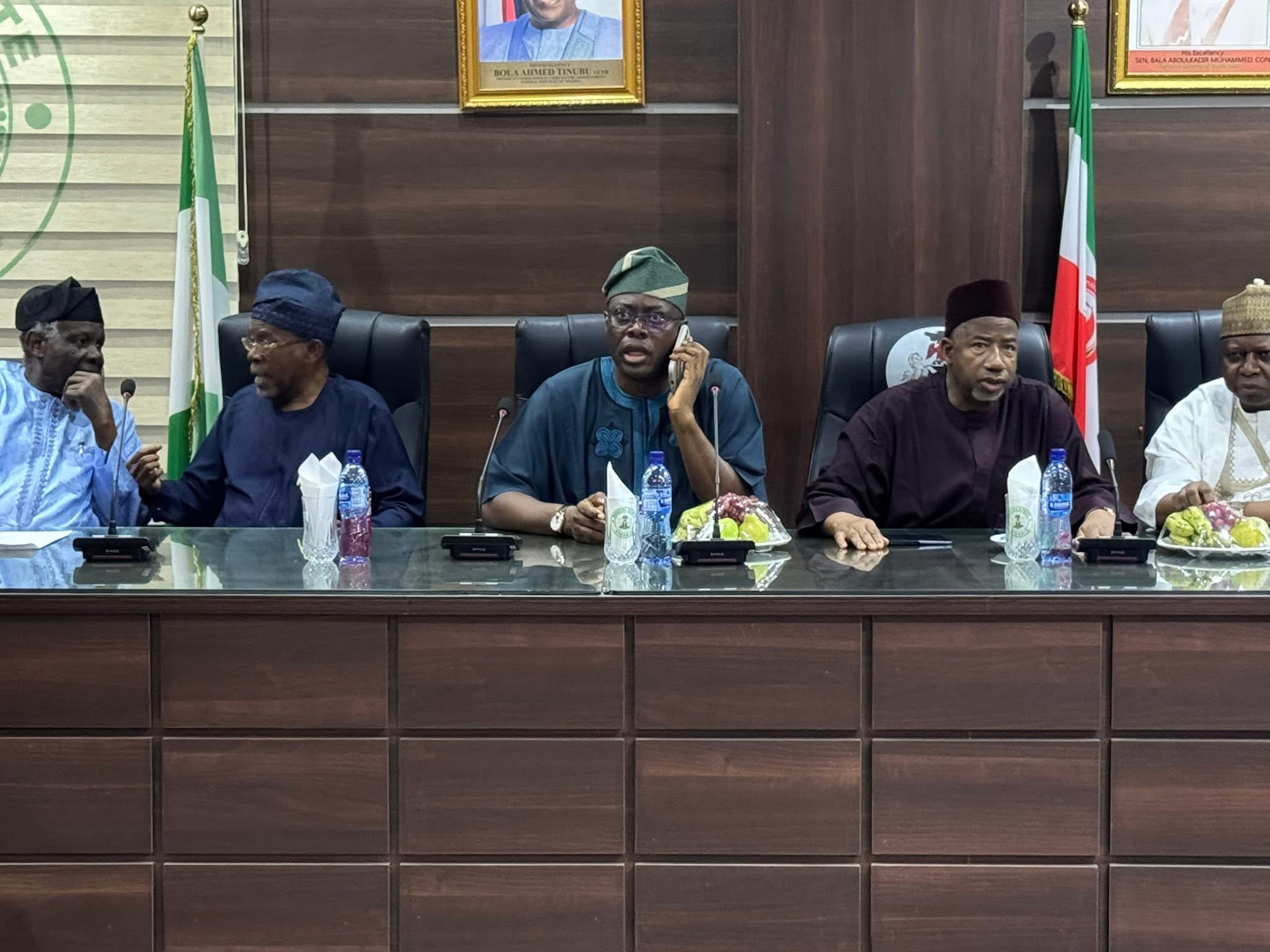
Makinde’s actions, controversial as they may be, appear to be rooted in a broader struggle within party politics, one that speaks to control, legitimacy, and the future direction of opposition politics in Nigeria. This is not happening in isolation. His role in convening a national opposition summit further reinforces the perception among his supporters that he is actively attempting to reshape and strengthen democratic engagement beyond just his party.
To his supporters, this is not merely about a convention. It is about resisting what they perceive as internal imposition, creating space for broader political dialogue, and safeguarding democratic participation within party structures and across the opposition landscape.
And this is where the conversation becomes uncomfortable.
Can a leader claim to be defending democracy while sidestepping judicial authority? Or is this yet another example of Nigeria’s political reality, where the lines between principle and power are often blurred?
Critics argue that disobedience to court rulings, regardless of intent, weakens democratic institutions. They are not wrong. Democracy is not sustained by good intentions alone; it survives on adherence to rules, even when those rules are inconvenient.
Supporters, however, see something else. They see a political figure willing to challenge entrenched interests, convene alternative platforms like a national opposition summit, and take political risks in pursuit of what they interpret as a more inclusive democratic space. In a country where many leaders are accused of passivity, that defiance is, to them, a sign of courage.
So, what are we really witnessing?
Perhaps not a simple case of right versus wrong, but a reflection of Nigeria’s evolving democratic struggle. A system where institutions are still being tested, political actors are still pushing boundaries, and the definition of democratic conduct is still being contested in real time.
The Supreme Court has spoken, and its decision must stand. That is non negotiable.
But beyond the ruling lies a deeper issue, the urgent need for stronger internal party democracy, clearer adherence to the rule of law, and political actors who understand that the means are just as important as the end.
Because in the end, democracy can’t be defended by undermining the very structures that sustain it.





Leave a Reply