

The tension between the United States and Iran just took a serious turn, and Israel is standing firmly on America’s side.
Following a breakdown in diplomatic talks, US President Donald Trump ordered a naval blockade targeting Iran’s access to global trade routes. Almost immediately, Israeli Prime Minister Benjamin Netanyahu came out in full support, confirming that both countries are working closely together on the move.
So what really happened?
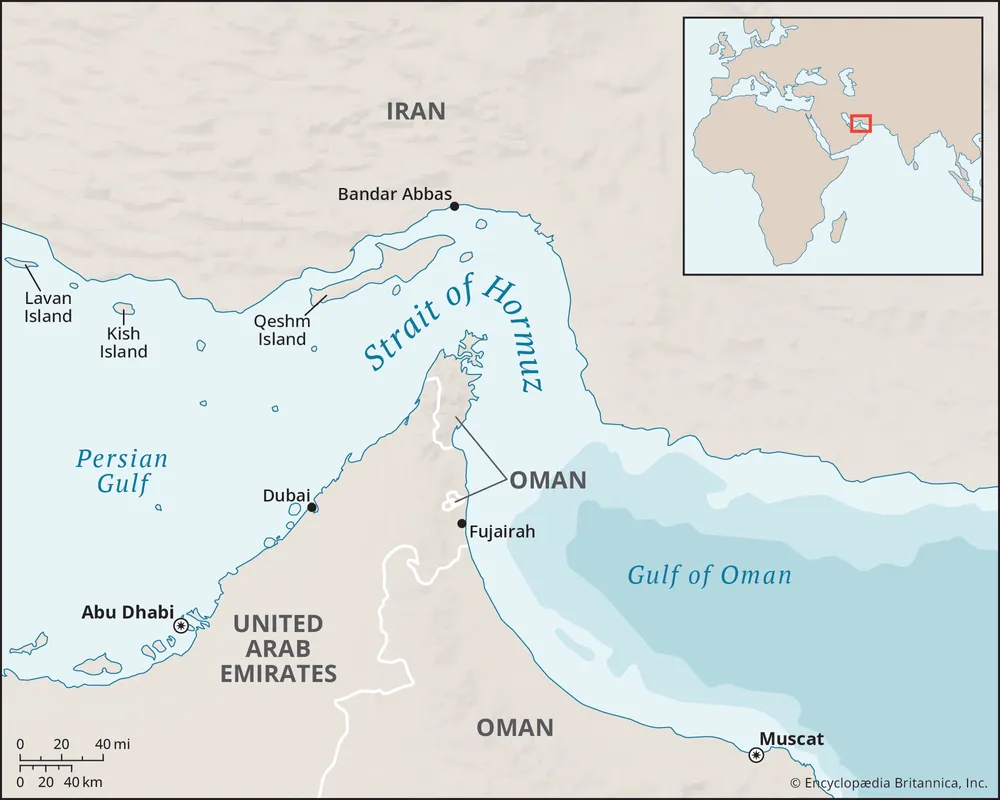
At the heart of the issue is a failed negotiation. The US expected Iran to agree to a ceasefire and reopen the Strait of Hormuz, a narrow but extremely important waterway through which a large portion of the world’s oil passes. Iran didn’t comply, and that triggered a strong response from Washington.
For the US, this isn’t just about one agreement. It’s about long-term concerns over Iran’s nuclear programme. According to updates shared after the talks, the US wants Iran to completely remove its enriched uranium and stop any future enrichment activities for years, possibly decades.
Israel sees this as a direct security issue. That’s why Netanyahu’s government is backing the blockade without hesitation.
But beyond politics, this situation has real global consequences.
The Strait of Hormuz is not just any route, it’s one of the most critical oil supply channels in the world. Any disruption there can quickly push oil prices up, affect fuel costs, and ripple through economies globally including countries like Nigeria.
In simple terms:
Less access through that route = tighter oil supply
Tighter supply = higher prices
Higher prices = pressure on economies and citizens
And that’s where this story connects to everyday life.
Whether it’s petrol prices, transportation costs, or inflation, decisions made thousands of miles away in places like Washington, Tehran, and Tel Aviv often find their way into local realities.
Right now, the world is watching closely.
Because if tensions escalate further, this may not just remain a diplomatic standoff it could reshape energy markets, global trade, and geopolitical alliances in ways we’ll all feel.




Leave a Reply