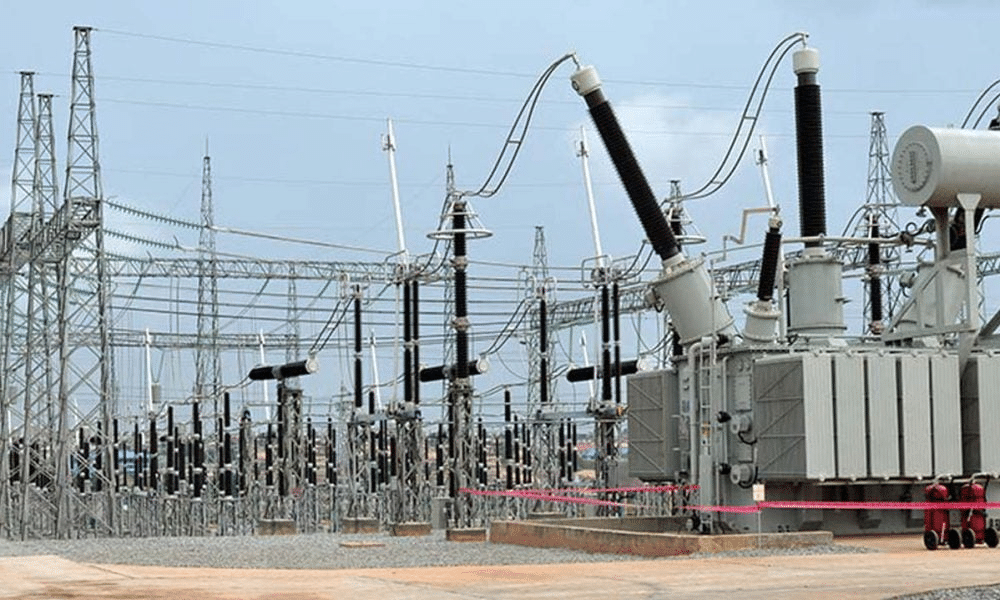
Electricity distribution companies in Nigeria have apologised to consumers over persistent power outages across the country, acknowledging the difficulties households and businesses have faced in recent weeks.
The apology was conveyed by the Managing Director and Chief Executive Officer of the Association of Nigerian Electricity Distributors (ANED), Sunday Oduntan, during an appearance on Channels Television’s Sunrise Daily on Monday.
Oduntan admitted that Nigerians had endured considerable hardship due to the unreliable electricity supply and said an apology was necessary.
He also expressed concern over renewed disagreements among operators in the electricity industry, warning that the tendency to shift responsibility could further complicate efforts to address the crisis.
According to him, similar disputes between distribution companies, transmission operators, electricity generation companies and gas suppliers characterised the sector between 2016 and 2019.
He explained that while distribution companies blamed the Transmission Company of Nigeria, transmission operators pointed to generation companies, which in turn attributed their challenges to gas supply and payment issues.
Oduntan also questioned conflicting explanations from the Nigerian Independent System Operator (NISO) and the Nigerian National Petroleum Company Limited (NNPC) regarding the factors responsible for the current shortages.
While NISO reportedly identified inadequate gas supply and low water levels as contributing factors, the NNPC subsequently issued a statement indicating that gas was available.
The ANED chief executive called for greater transparency over outstanding payments and gas deliveries to power generation companies, insisting that Nigerians deserved clarity on the actual circumstances affecting electricity production.
He urged the Minister of Power to bring the relevant stakeholders together to establish the causes of the supply disruptions and coordinate a lasting response.
The prolonged outages have generated widespread complaints, including from customers under Band A, who are expected to receive a minimum of 20 hours of electricity daily.
The situation has also intensified concerns over the cost of alternative power sources, as rising petrol and diesel prices make generator use increasingly expensive, while solar installations and inverter systems remain beyond the reach of many households and small businesses.
The renewed public frustration has drawn reactions from prominent Nigerians, including actress Kate Henshaw and content creator Cute Abiola, who have both spoken about the difficulties associated with the unreliable electricity supply.
The crisis has also brought renewed attention to President Bola Tinubu’s 2023 campaign pledge to improve electricity supply and eliminate estimated billing. During a meeting with members of the Organised Private Sector in Lagos, Tinubu promised that Nigerians would have access to electricity and should hold him accountable for the commitment.