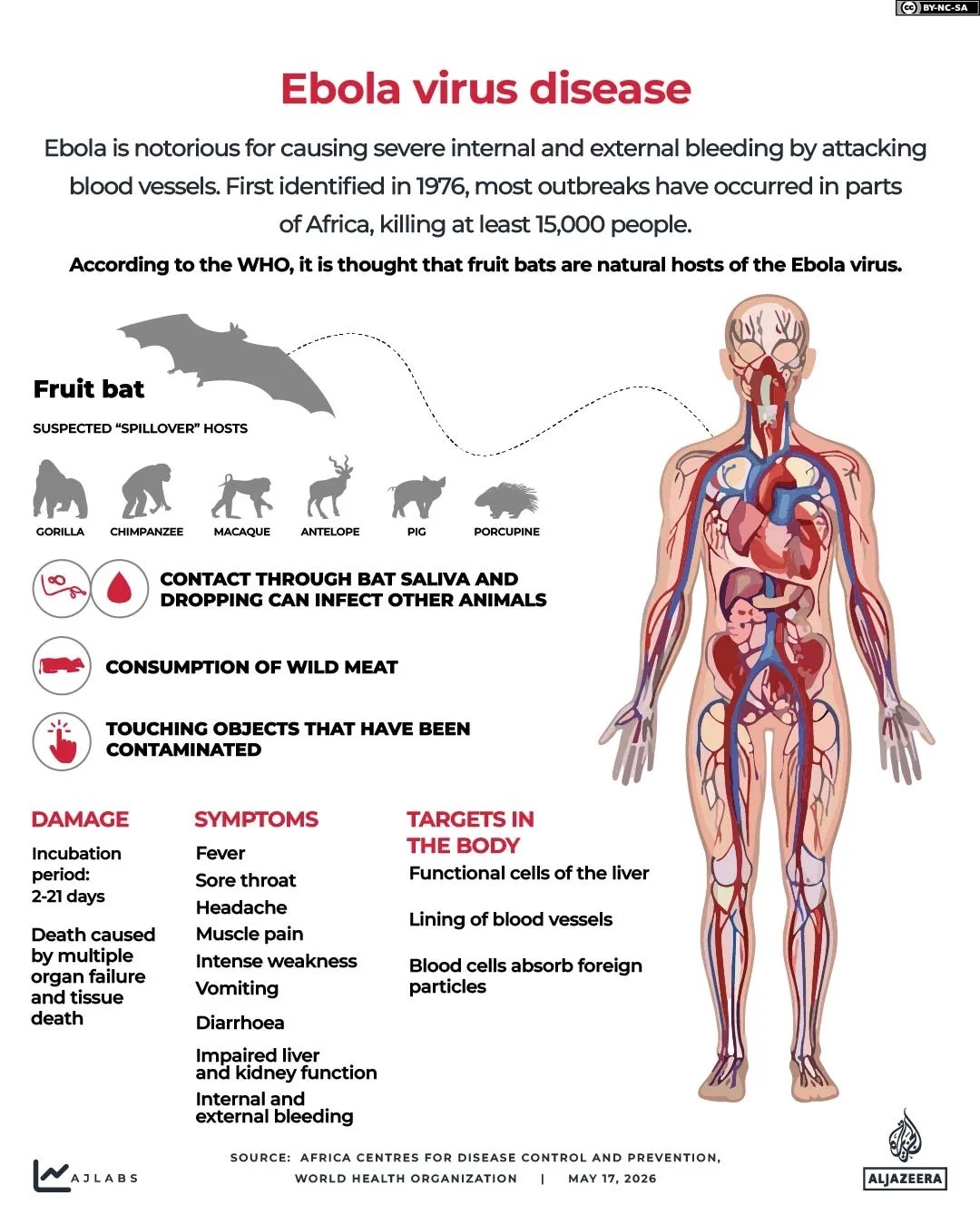
The Nigeria Centre for Disease Control and Prevention (NCDC) has confirmed that all 62 contacts linked to the country’s imported case of Bundibugyo Virus Disease have completed the mandatory 21-day monitoring period without any secondary transmission.
The Director-General of the agency, Dr Jide Idris, disclosed this on Friday during a news conference in Abuja, confirming that the last person on the contact list had completed monitoring.
Idris said 13 of the 62 contacts developed fever or other symptoms during the monitoring period but subsequently tested negative for the virus following laboratory investigations.
He added that seven other suspected cases reported across Adamawa, Rivers, Borno, Lagos and Ekiti states within three weeks were investigated, with all returning negative results.
However, the NCDC chief cautioned that the successful completion of contact monitoring did not mean Nigeria had been officially declared free of Ebola, stressing that continued surveillance remained necessary, particularly amid ongoing transmission of the disease in the Democratic Republic of Congo.
According to him, Nigeria has sustained heightened surveillance, with the National Emergency Operations Centre activated and its Incident Management System operating at Level Three, the highest response level for Ebola.
Idris recalled that the index case was confirmed on October 20 in the Federal Capital Territory following an alert raised by healthcare workers through the NCDC’s event-based surveillance system.
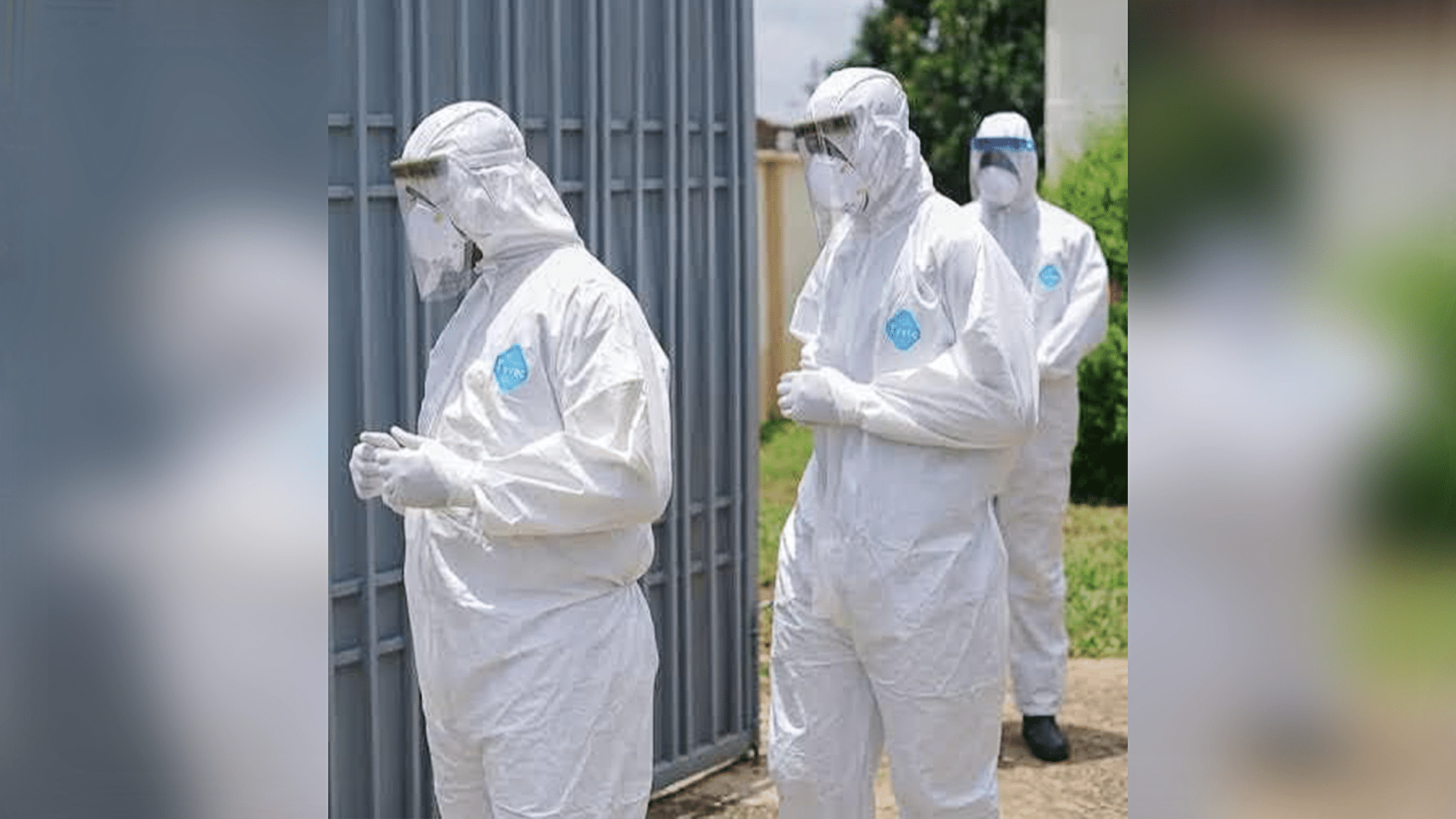
He explained that contact tracing covered healthcare facilities, households and other relevant locations, while infection prevention and control measures were strengthened across medical facilities.
On the condition of the index patient, Idris disclosed that she was evacuated to Switzerland on October 26 for further medical management after receiving treatment in Nigeria. He said she subsequently recovered, tested negative for the virus and was discharged from hospital.
The NCDC director-general urged Nigerians to remain vigilant, advising anyone who develops symptoms, particularly after travelling or possible exposure to an infectious disease, to seek medical attention promptly.
He also warned against assuming that every fever is malaria, urging patients to provide healthcare workers with accurate travel and exposure histories.
Healthcare workers were equally advised to maintain a high index of suspicion, observe infection prevention protocols and promptly report suspected cases.
Meanwhile, the Mandate Secretary of the FCT Health Services and Environment Secretariat, Dr Adedolapo Fasawe, said the territory’s response team had successfully completed its three-week monitoring following contact with the index patient.
Fasawe explained that the FCT rapid response team was deployed immediately after receiving an alert from a private health facility, with an incident management structure established following laboratory confirmation of the infection.
She added that private hospitals in the territory were familiar with established response procedures and had access to NCDC emergency contact numbers for prompt reporting of suspected cases.
Despite the completion of contact monitoring, the NCDC maintained that continued vigilance, accurate health reporting and adherence to preventive measures remained essential to preventing further transmission.