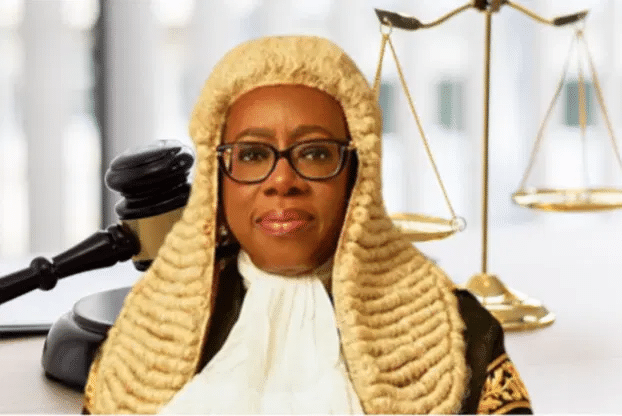
The Chief Justice of Nigeria, Justice Kudirat Kekere-Ekun, has cautioned judicial officers against associating with political parties or engaging in conduct that could undermine public confidence in the courts ahead of the 2027 general elections.
Kekere-Ekun gave the warning on Monday in Abuja during the opening of the 2026 Legal Year of the Supreme Court of Nigeria, stressing that judges must maintain absolute impartiality when handling disputes arising from the electoral process.
She noted that elections often generate intense political activities and emotions, while disputes brought before the courts can have far-reaching consequences for political parties, individuals and the country.
According to the CJN, judicial officers must approach election-related cases with calmness, restraint and strict adherence to the law, just as they would any other legal matter.
She warned that judges’ words and actions during the electoral period would attract public scrutiny and urged them to avoid political associations or behaviour capable of creating an impression of bias.
The Chief Justice also expressed concern over the conduct of some legal practitioners in election-related litigation, particularly the practice of forum shopping and filing multiple cases seeking substantially similar reliefs.
She explained that such practices could result in conflicting court orders, disrupt judicial proceedings and create the perception that litigants were seeking favourable outcomes from particular courts rather than pursuing justice in accordance with the law.
Kekere-Ekun further warned that an excessive volume of political cases could delay the determination of other matters awaiting judicial attention.
She urged lawyers to exercise professional judgment before instituting proceedings, disclose related cases already pending before other courts and respect the jurisdiction and processes of the judiciary.
According to her, legal practitioners have a responsibility not only to protect their clients’ interests but also to preserve the integrity and orderly administration of justice.
The CJN also called for safeguards around the appointment of judicial officers, describing the process as one of the most consequential responsibilities of the National Judicial Council and the Federal Judicial Service Commission.
She said the selection of judges must be transparent and credible enough to command public confidence, noting that recent appointments had involved structured assessments, professional and peer feedback, background checks and opportunities for members of the public to comment on shortlisted candidates.
However, she cautioned against abusing the process through public accusations intended to settle personal disagreements or professional disputes.
Kekere-Ekun also condemned the use of social media to intimidate, ridicule or harass judicial officers and legal practitioners, insisting that complaints about misconduct should be channelled through appropriate procedures.
She maintained that judges must be able to deliver decisions according to the law without fear of personal retaliation, while lawyers and court staff should be allowed to perform their duties without intimidation.
The Chief Justice also reviewed the Supreme Court’s performance during the 2025/2026 Legal Year, reporting that the court handled 2,456 matters and delivered 411 judgments.
The matters comprised 1,179 general civil motions, 573 criminal motions and 13 Sharia-related motions, alongside appeals and originating summons. The appeal figures provided in her address included 433 general civil appeals, 212 criminal appeals, 19 political appeals, 12 Sharia appeals and 10 originating summons.
She compared the figures with the preceding legal year, during which the court handled 2,280 matters and delivered 369 judgments and rulings.
Kekere-Ekun said the figures reflected the court’s level of activity but acknowledged that more work remained to be done, particularly in reducing delays and managing pending cases.
She also highlighted measures introduced to improve case management, including the scheduling of old matters for hearing, the disposal of inactive cases and the removal of matters already concluded from the active docket.
Her warning comes as political parties and aspirants prepare for the 2027 general elections, placing renewed attention on the judiciary’s role in resolving disputes arising from party primaries, candidate selection and other electoral processes.
The CJN’s message centred on the need for judicial independence, professional discipline and impartial adjudication as the country approaches another election cycle.